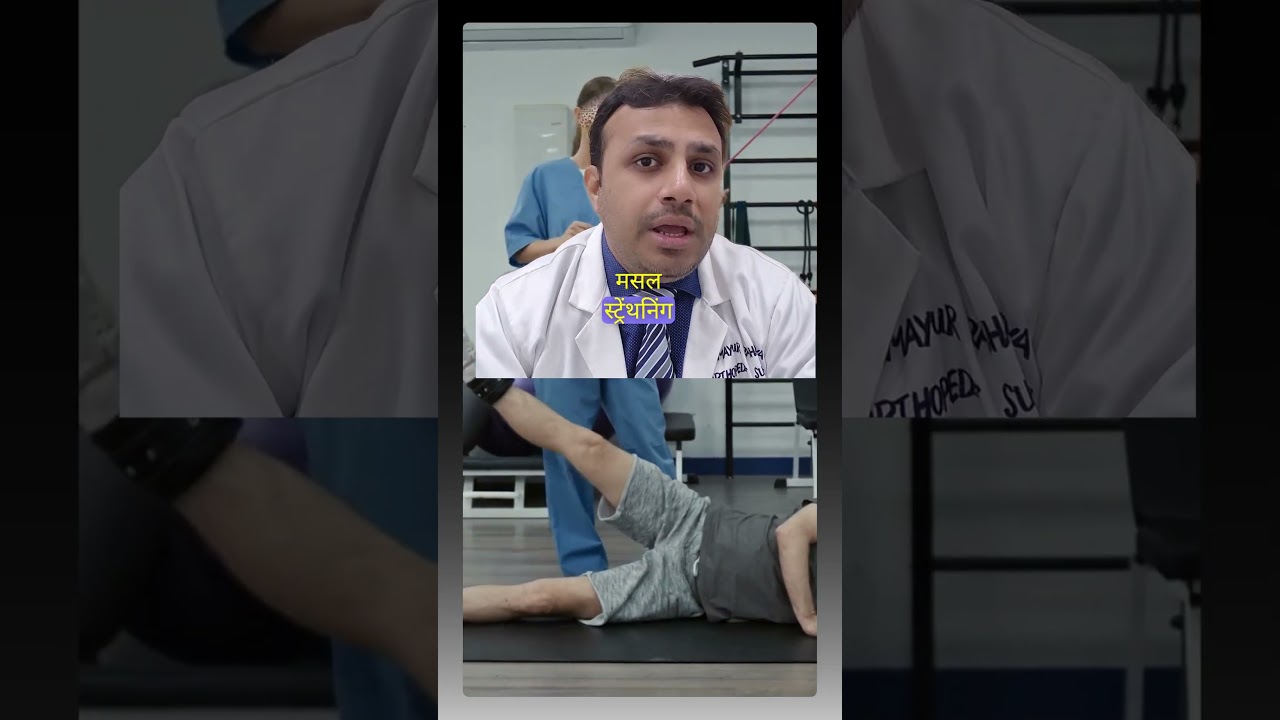
Dr. Mayur Rabhadiya – Knee Replacement Surgeon & Knee Arthritis Specialist in Mumbai
Helping patients across Mumbai make the right decision for knee pain and knee arthritis — from structured non-surgical treatment to knee replacement surgery — based on clinical evidence, function, and long-term outcomes.
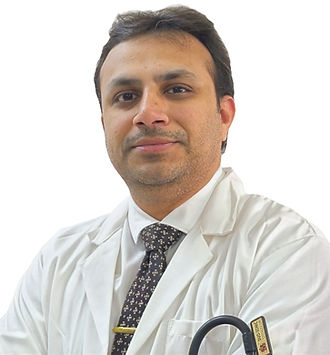
Primary focus: Knee pain evaluation, arthritis decision-making & knee replacement surgery
Secondary expertise: Hip replacement surgery, shoulder replacement and complex joint reconstruction
Knee Arthritis Specialist & Knee Replacement Surgeon in Mumbai
Persistent knee pain can gradually reduce mobility, walking tolerance, independence, and quality of life. However, not every patient with knee arthritis requires immediate surgery. In many individuals, symptoms can still be managed effectively through structured non-surgical treatment, while others may benefit from timely knee replacement surgery before severe deformity and functional decline develop.
Dr. Mayur Rabhadiya is an Orthopedic & Joint Replacement Surgeon in Mumbai with focused expertise in:
-
Knee Arthritis Treatment
-
Knee Pain Evaluation
-
Total Knee Replacement
-
Robotic Knee Replacement
-
Partial Knee Replacement
-
Revision Knee Replacement
-
Joint Preservation Strategies
-
Selected Hip Replacement Surgery
His clinical approach emphasizes:
-
Accurate diagnosis
-
Evidence-based decision-making
-
Appropriate timing of surgery
-
Realistic counselling
-
Long-term functional recovery
Consultations are available at:
-
Diabplus Clinic, Ghatkopar East, Mumbai
-
Savla Clinic, Ghatkopar West, Mumbai
Patients regularly consult from Ghatkopar, Powai, Chembur, Mulund, Kurla, Vikhroli, Bhandup, Navi Mumbai, Thane, and other parts of Mumbai for evaluation of knee pain, arthritis, deformity, and knee replacement surgery.
Explore:
What Is Causing Your Knee Pain?
Knee pain is not a single diagnosis. It may develop gradually over years or progress rapidly depending on the underlying joint condition.
Common causes include:
-
Osteoarthritis
-
Cartilage degeneration
-
Meniscal damage
-
Ligament imbalance
-
Bow-leg deformity
-
Inflammatory arthritis
-
Previous injury
-
Failed prior surgery
-
Progressive age-related joint wear
Patients commonly experience:
-
Pain while walking
-
Difficulty climbing stairs
-
Knee stiffness after sitting
-
Swelling around the knee
-
Night pain due to arthritis
-
Reduced walking distance
-
Difficulty getting up from chairs
-
Progressive deformity
The objective of consultation is not simply to recommend surgery, but to determine:
-
Why symptoms are occurring
-
Whether arthritis is progressing
-
Whether surgery can still be delayed safely
-
Which treatment option is most appropriate
-
What level of mobility and recovery can realistically be expected
Treatment decisions are based on:
-
Clinical symptoms
-
Functional limitation
-
Walking tolerance
-
Physical examination
-
X-ray and MRI findings
-
Overall health condition
-
Lifestyle demands
Not imaging findings alone.
Explore:
-
Why Knee Pain Is Worse at Night
-
Difficulty Climbing Stairs Due to Knee Arthritis
-
Knee Stiffness After Sitting
-
Swelling in the Knee
Structured Knee Arthritis Treatment Pathway
Management of knee arthritis follows a staged and clinically reasoned treatment pathway focused on preserving mobility, reducing pain, and determining the appropriate timing of intervention.
Stage 1 – Early & Moderate Knee Arthritis
Many patients with early arthritis improve without surgery through:
-
Physiotherapy
-
Muscle strengthening
-
Weight optimisation
-
Activity modification
-
Medication when indicated
-
Joint preservation strategies
The goal at this stage is:
-
Pain reduction
-
Functional preservation
-
Improved mobility
-
Slowing progression where possible
Explore:
-
Non-Surgical Knee Arthritis Treatment
-
Physiotherapy for Knee Arthritis
-
Exercises for Knee Arthritis
Stage 2 – Injection Therapy for Selected Patients
When symptoms continue despite structured conservative treatment, selected patients may benefit from injection therapy.
This may include:
-
Lubrication injections
-
Anti-inflammatory injections
-
GFC Therapy for Knee Arthritis
Patients are counselled clearly regarding:
-
Expected relief
-
Duration of benefit
-
Functional expectations
-
Limitations of injections
-
Situations where injections may no longer remain effective
Injection therapy is not presented as a replacement for knee replacement surgery in advanced structural degeneration.
Explore:
-
GFC Therapy for Knee Arthritis
-
Knee Injection vs Knee Replacement Surgery
-
GFC Therapy vs Knee Replacement
Stage 3 – Knee Replacement Surgery
Knee replacement surgery may become necessary when:
-
Walking becomes significantly painful
-
Daily activity becomes restricted
-
Night pain develops
-
Knee deformity progresses
-
Conservative treatment no longer provides meaningful relief
The emphasis is on appropriate timing rather than premature intervention.
Many patients seek consultation specifically to understand:
-
Can surgery still be delayed safely?
-
Am I waiting too long?
-
Is robotic surgery truly necessary?
-
Is partial knee replacement possible?
-
What level of recovery can realistically be expected?
Explore:
-
Signs You May Need Knee Replacement
-
Can Knee Replacement Be Delayed?
-
Do I Really Need Knee Replacement Surgery?
-
When Is Knee Replacement Necessary?
Knee Replacement Surgeon in Mumbai
As a Knee Replacement Surgeon in Mumbai, Dr. Mayur Rabhadiya performs:
-
Total Knee Replacement
-
Partial Knee Replacement in selected patients
-
Robotic Knee Replacement
-
Conventional Knee Replacement
-
Revision Knee Replacement
Every knee replacement is planned individually based on:
-
Severity of arthritis
-
Bone quality
-
Deformity pattern
-
Ligament balance
-
Activity level
-
Functional expectations
-
Overall medical condition
There is no single treatment model suitable for every patient.
Explore:
-
Robotic Knee Replacement in Mumbai
-
Partial Knee Replacement in Mumbai
-
Revision Knee Replacement Surgery
-
Robotic vs Conventional Knee Replacement
-
Partial vs Total Knee Replacement
Robotic vs Conventional Knee Replacement
Robotic systems are precision-assistance tools designed to improve:
-
Pre-operative planning
-
Implant positioning
-
Alignment accuracy
However, long-term outcomes depend primarily on:
-
Proper patient selection
-
Surgical judgement
-
Implant positioning strategy
-
Soft tissue balancing
-
Rehabilitation quality
Technology supports expertise. It does not replace surgical judgement.
Patients comparing techniques can explore:
-
Robotic Knee Replacement in Mumbai
-
Robotic vs Conventional Knee Replacement
Do You Really Need Knee Replacement Surgery?
Not every patient with knee arthritis requires immediate surgery.
In many patients, surgery can still be delayed safely with structured non-surgical treatment. However, prolonged delay in advanced arthritis may contribute to:
-
Progressive deformity
-
Muscle weakness
-
Reduced walking ability
-
Greater stiffness
-
Reduced independence
-
Increased surgical complexity
-
Slower recovery
The decision depends on:
-
Pain severity
-
Walking tolerance
-
Functional limitation
-
Sleep disturbance
-
Failure of conservative treatment
-
Overall quality of life
Patients commonly seek consultation for:
-
Knee pain while walking
-
Difficulty climbing stairs
-
Night pain due to arthritis
-
Swelling and stiffness
-
Bow-leg deformity
-
Difficulty getting up from chairs
-
Reduced walking distance
-
Pain despite physiotherapy and medication
Explore:
-
Another Doctor Advised Knee Replacement
-
Second Opinion for Knee Replacement Surgery
Recovery After Knee Replacement Surgery
Recovery after knee replacement focuses on:
-
Early mobilisation
-
Structured physiotherapy
-
Progressive strengthening
-
Functional rehabilitation
-
Gradual return to routine activity
Most patients experience meaningful improvement over the first 6–12 weeks, with continued gains over several months.
Long-term implant performance depends on:
-
Alignment
-
Implant quality
-
Rehabilitation
-
Body weight
-
Activity level
-
Overall health condition
Patients commonly ask about:
-
Walking after surgery
-
Stair climbing
-
Sitting cross-legged
-
Recovery duration
-
Implant longevity
Explore:
-
Recovery After Knee Replacement Surgery
-
Walking After Knee Replacement Surgery
-
Climbing Stairs After Knee Replacement
-
Can You Sit Cross-Legged After Knee Replacement?
-
How Long Does Knee Replacement Last?
Why Patients Consult Dr. Mayur Rabhadiya
Patients consult Dr. Mayur Rabhadiya for:
-
Knee-focused orthopedic evaluation
-
Evidence-based treatment planning
-
Balanced use of surgical and non-surgical treatment
-
Robotic and conventional knee replacement expertise
-
Individualised treatment pathways
-
Realistic counselling before surgery
-
Structured rehabilitation guidance
-
Long-term functional focus
His clinical philosophy emphasizes:
-
Judgement-driven treatment rather than technology-driven marketing
-
Appropriate timing of surgery
-
Preservation of natural joint function whenever possible
-
Long-term mobility and recovery
-
Honest and realistic expectation setting
Explore:
-
About Dr. Mayur Rabhadiya
-
Second Opinion for Knee Replacement Surgery
Secondary Area of Expertise – Hip Replacement Surgery
While the primary clinical focus is knee arthritis and knee replacement surgery, Dr. Rabhadiya also performs hip replacement surgery for:
-
Advanced hip arthritis
-
Avascular necrosis
-
Structural deformity
-
Failed previous hip surgery
Procedures include:
-
Total Hip Replacement
-
Robotic Hip Replacement
-
Conventional Hip Replacement
-
Revision Hip Replacement
Explore:
-
Hip Replacement Surgery in Mumbai
-
Robotic Hip Replacement Surgery
Orthopedic Consultation for Other Bone & Joint Conditions
Consultations are also available for selected orthopedic conditions including:
-
Sports injuries
-
Shoulder pain
-
Fracture evaluation
-
Arthritis-related joint disorders
-
Mobility-related orthopedic conditions
However, the primary focus of practice remains knee arthritis management and joint replacement surgery.
Explore:
-
Sports Injury Treatment
-
Shoulder Pain Treatment
Frequently Asked Questions
How do I know if I need knee replacement surgery?
The decision depends on pain severity, walking limitation, deformity progression, and failure of structured conservative treatment rather than imaging findings alone.
Learn more:
Signs You May Need Knee Replacement
Can knee replacement surgery be delayed?
In many patients, surgery may be delayed safely during earlier stages. In advanced deformity with severe functional restriction, prolonged delay may increase recovery difficulty and surgical complexity.
Learn more:
Can Knee Replacement Be Delayed?
Is robotic knee replacement better than conventional surgery?
Robotic systems may improve precision in selected cases. However, surgical judgement, rehabilitation, patient selection, and implant positioning remain the major determinants of long-term outcome.
Learn more:
Robotic vs Conventional Knee Replacement
How long does a knee replacement last?
Modern implants commonly last 15–20 years or longer depending on alignment, body weight, activity level, implant quality, and rehabilitation.
Learn more:
How Long Does Knee Replacement Last?
Can I sit cross-legged after knee replacement surgery?
Some patients may achieve modified cross-legged sitting depending on flexibility, rehabilitation, implant type, and pre-operative mobility. Outcomes vary individually.
Learn more:
Can You Sit Cross-Legged After Knee Replacement?
Is knee replacement safe in elderly patients?
Age alone is not the deciding factor. Overall health condition, cardiac fitness, mobility level, and independence are more important considerations.
Learn more:
Knee Replacement in Elderly Patients
Practice Locations in Mumbai
Diabplus Clinic – Ghatkopar East
Diabplus, 601, 6th Floor, Skyline Status, Mahatma Gandhi Rd, opp. Pooja Hotel, above Swarnamala Jewellers, Pant Nagar, Ghatkopar East, Mumbai, Maharashtra 400077
Patients regularly consult from:
-
Ghatkopar East
-
Pant Nagar
-
Powai
-
Vikhroli
-
Bhandup
-
Chembur
-
Eastern suburbs of Mumbai
Explore:
Knee Replacement Surgeon in Ghatkopar East
Savla Clinic – Ghatkopar West
2/3, Dharmodaya Building, Savla Clinic, next to Raj Medical, near NULife Hospital, Jivdaya Lane, Ghatkopar West, Mumbai, Maharashtra 400086
Patients regularly consult from:
-
Ghatkopar West
-
Kurla
-
Mulund
-
Powai
-
Central Mumbai
Explore:
Knee Pain Specialist in Ghatkopar West
Book a Consultation
For consultation regarding:
-
Knee pain
-
Knee arthritis
-
Knee replacement surgery
-
Robotic knee replacement
-
Hip replacement surgery
-
Second opinion for knee replacement
-
General orthopedic evaluation
Visit:
www.mayurajcc.com
Call:
-
8424-903-913
-
9611-3300-63